Comic: A Retro Revival in Digital Design
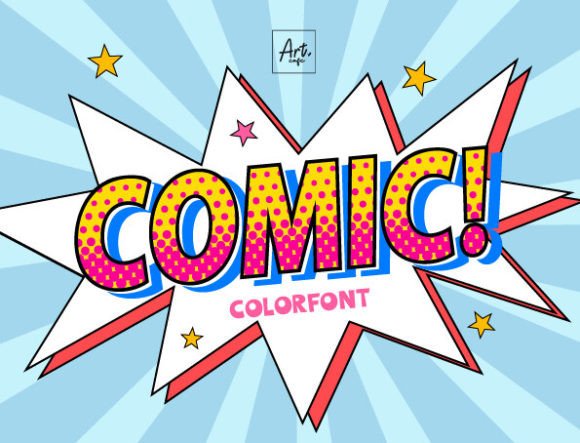
Comic is more than just a font—it's a vibrant, pop-art-inspired typeface that brings a sense of playful energy to any design. With its bold strokes and cheerful aesthetic, Comic has become a go-to choice for those looking to infuse their work with retro charm and visual appeal. Whether you're designing for children's events or planning a lively party, Comic offers a unique way to express creativity and nostalgia.
What Makes Comic Unique?
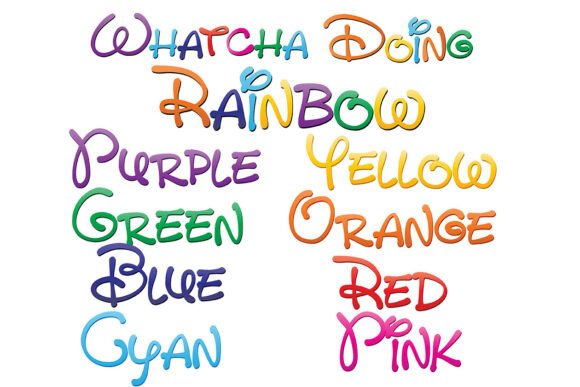
At first glance, Comic stands out due to its distinctive style. The font features rounded letters, exaggerated curves, and a slightly uneven baseline that mimics hand-drawn typography. This gives it an authentic, almost handmade feel, making it ideal for projects that require a whimsical or nostalgic touch. Unlike many modern fonts that prioritize minimalism and clarity, Comic embraces imperfection and character, which is part of its charm.
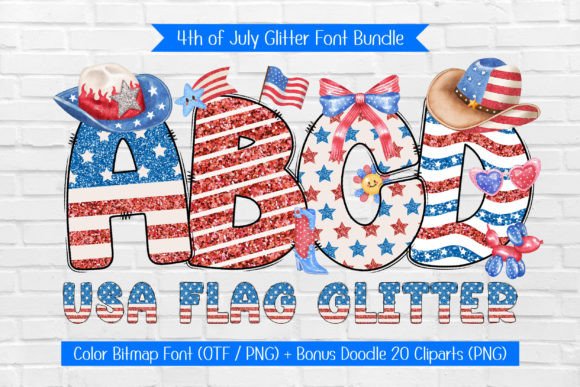
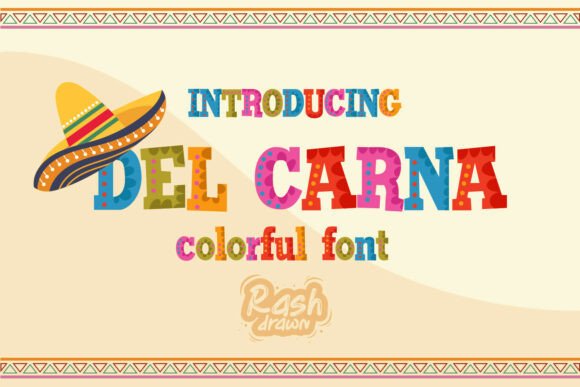
The color palette associated with Comic is equally important. It often comes in bright, eye-catching hues that evoke the spirit of 1960s and 1970s comic books. This makes it perfect for designs that aim to grab attention and create a fun atmosphere. Its versatility allows it to be used across various mediums, from print materials to digital platforms.
Key Features of Comic
- Vibrant Style: Comic's bold and colorful appearance makes it stand out in any context.
- Retro Appeal: The font’s design is reminiscent of classic comic book lettering, offering a nostalgic experience.
- Playful Tone: Its informal and energetic look is well-suited for children's content or casual events.
- High Visibility: The large, clear characters ensure readability even at a distance.
Where Can You Use Comic?
Comic is particularly effective in scenarios where a lighthearted or youthful vibe is desired. For instance, it's commonly used in children's books, school projects, and educational materials. Its friendly appearance helps make learning more engaging and enjoyable for younger audiences.
In the realm of event planning, Comic can be a valuable tool for creating posters, invitations, and signage for parties, festivals, or community gatherings. The font's energetic look adds a sense of excitement and anticipation, making it ideal for events that aim to be fun and memorable.
Business owners and marketers also find value in using Comic for promotional campaigns targeting a younger demographic. It can be used in social media graphics, advertisements, or branding elements to create a more approachable and relatable image.
Who Benefits from Using Comic?
- Designers: Graphic designers often use Comic to add a creative flair to their projects without sacrificing clarity.
- Teachers: Educators may incorporate Comic into lesson plans or classroom decorations to make learning more interactive.
- Event Planners: Those organizing parties or special occasions can leverage Comic to enhance the visual appeal of their materials.
- Small Business Owners: Entrepreneurs seeking to connect with a younger audience may find Comic useful in their marketing efforts.
Strengths and Considerations
One of the main strengths of Comic is its ability to convey emotion and personality through typography. It can transform a simple message into something more engaging and visually appealing. However, it's important to note that Comic may not be suitable for all types of content. Its informal style might not align with professional or formal settings, such as corporate reports or academic papers.
Another consideration is the readability of Comic in smaller sizes. While it works well for headlines and titles, it may become less legible when used in body text. Therefore, it's best to use it strategically and in conjunction with other fonts for optimal results.
Real-World Applications of Comic
Imagine a local bookstore promoting a children's storytime session. By using Comic on their flyers, they can immediately capture the attention of young readers and their parents. The font's playful nature makes it clear that the event is both fun and educational.
Another example could be a music festival advertising its lineup. Using Comic in the event poster can create a sense of excitement and energy, drawing in attendees who are looking for an unforgettable experience.
Even in digital marketing, Comic can be used effectively. Social media posts featuring Comic-style text can stand out in crowded feeds, encouraging engagement and interaction from users.
How to Evaluate if Comic Is Right for Your Project
Before deciding to use Comic, consider the purpose of your project and the audience you're targeting. Ask yourself whether the font's playful and retro style aligns with your goals. If you're aiming for a serious or sophisticated tone, Comic may not be the best choice.
It's also helpful to experiment with different sizes and placements. Test how Comic looks in various contexts to ensure it meets your design needs. Don't hesitate to combine it with other fonts to achieve the desired balance between creativity and professionalism.
Lastly, remember that while Comic is a powerful tool, it should be used thoughtfully. Overusing it or applying it inappropriately can diminish its impact. When used correctly, however, Comic can elevate your designs and bring a fresh, vibrant energy to your work.