Softly Written: A Warm and Playful Typographic Expression
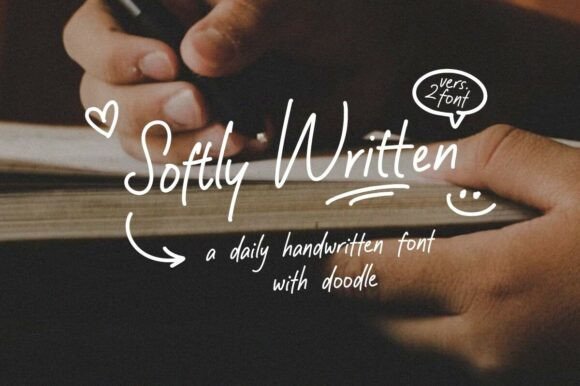
Softly Written is more than just a font—it’s a feeling. It carries the gentle essence of handwritten notes, the kind you might find tucked into a book or left on a desk by a friend. This typeface has a natural flow, as if each letter was drawn with a soft pencil, capturing the charm of everyday moments. Its relaxed vibe makes it ideal for projects that want to feel approachable, personal, and inviting.
The design of Softly Written is rooted in simplicity. The letters are not overly stylized but instead maintain a clean, easy-to-read structure. This balance between playfulness and clarity ensures that the font remains functional while still adding a touch of personality. Whether used in a digital interface, a printed flyer, or a social media post, Softly Written brings a sense of warmth that other fonts may lack.
One of the most appealing aspects of Softly Written is its versatility. It works well in both casual and semi-formal settings, making it a go-to choice for a wide range of applications. For instance, it can be used in branding materials to create a friendly brand identity, or in educational content to make complex ideas feel more accessible. Its soft curves and gentle strokes also make it a great option for children’s books, where readability and visual appeal are key.
When considering typography, the emotional impact of a font is often overlooked. Softly Written, however, is designed with this in mind. Its playful yet professional appearance can evoke feelings of comfort, creativity, and authenticity. This makes it particularly useful in content that aims to connect with an audience on a personal level. Whether it's a blog post, a marketing campaign, or a website header, the font adds a subtle but meaningful tone.
For designers and developers, incorporating Softly Written into their workflow can enhance the overall user experience. The font’s readability at smaller sizes makes it suitable for body text, while its unique style stands out when used in headings or titles. This dual functionality allows for greater flexibility in design choices without compromising on aesthetics or usability.
Another benefit of Softly Written is its ability to complement other typefaces. It pairs well with both modern sans-serif fonts and traditional serif styles, creating a harmonious visual balance. This compatibility is especially valuable in multi-font designs, where consistency and contrast are important. By using Softly Written alongside other fonts, designers can achieve a cohesive look that feels both intentional and organic.
In the realm of web design, Softly Written can be a powerful tool for storytelling. Websites that aim to convey a narrative—whether it’s about a product, a service, or a personal journey—can use this font to add a human touch. The font’s handwritten quality gives the impression of a personal voice, which can help build trust and engagement with users.
For educators and content creators, Softly Written offers a way to make learning more engaging. In lesson plans, worksheets, or interactive activities, the font can make information feel less intimidating and more approachable. This is especially beneficial for younger audiences or those who may struggle with traditional text formats. The font’s friendly appearance can encourage a more positive relationship with learning materials.
Business owners looking to establish a unique brand identity may find Softly Written to be a valuable asset. It provides a way to differentiate a brand from competitors while maintaining a professional image. Whether used in logos, packaging, or promotional materials, the font adds a layer of personality that can resonate with customers on a deeper level.
Despite its informal appearance, Softly Written is not limited to casual use. It can be adapted for more formal contexts, such as invitations, certificates, or official documents, where a touch of warmth is desired. This adaptability ensures that the font remains relevant across different industries and applications.
When selecting a font, it’s important to consider the message being conveyed. Softly Written is best suited for content that aims to be welcoming, expressive, and relatable. It’s not the right choice for high-stakes environments where strict professionalism is required, but for projects that value creativity and connection, it’s an excellent option.
Ultimately, Softly Written is a testament to the power of typography in shaping perception. Its design reflects a deep understanding of how visual elements influence emotion and communication. By choosing this font, users can add a layer of authenticity and charm to their work, making it stand out in a world that often prioritizes efficiency over expression.
As the demand for personalized and human-centric design continues to grow, fonts like Softly Written will play an increasingly important role. They offer a way to bridge the gap between technology and emotion, ensuring that digital experiences feel more like genuine interactions. In this way, Softly Written is not just a font—it’s a reflection of the values that define modern design.